hellow, I'm
KiD ⭐
M
ARS
C
AT
and this is my webzone!
📢 MARSCAT TUMBLR MUSEUM
all my artworks, pixel art, music, films, gamedev projects, selfies, and more, all in one comfy blog! check it out! kidmarscat.tumblr.com
🌠 LATEST FILM:
🡆 BUY "From Zero to One" ON GUMROAD
🌠 LATEST MUSIC:
🌠 LATEST GAME:
© kid marscat 1991 – today. best viewed on an horizontal display. if there are missing icons on this page, install an emoji-compatible font on your system, update your current device's system, or contact your device vendor to add up-to-date emoji support to your device's system. this is the end of the paragraph. bye paragraph!
🏠 THIS DREAMHOUSE
🡆🎨 pixiemoji | make emoji-based pixel art on your browser so you can post it on twitter or whatever. entirely broken on mobile! it hardly even works! very cool ミ☆ |
| 🡆🌈 neonscreen | click and drag the mouse around to change the color of the page! or change the hex value on the URL to change the color! |
| 🡆🖤 about:black (kid marscat remix) |
you ever just want a whole tab that is only filled with black and that's it? cuz boy do i have a page for you! |
| 🡆🤍 about:white | you ever just want a whole tab that is only filled with white and that's it? the long awaited sequel to about:black (remix)! |
🌐 SOCiAL
| 🡆👙 Tumblrblrblr | official kid marscat visual archive! pixel art, graphic design, film stuff, selfies and more! |
| 🡆📽️ Letterborks | what marmcarts is watching, liking and hating in film. lots of cool movie lists, too! |
| 🡆💌 gmail email mail | let's make something cool! contact me with ideas for projects, tell me why you wanna make em, and ill get back to ya! |
💕 MY FAVORITE THINGS
🡆🎞️ my top 15 favorite films
🡆⚙️ objectivism
🡆🎱 occultism, hermeticism, traditional symbolism
🡆🌎 hyperculture
🡆👁️🗨️ jodorowskian tarology
born in Puente Alto, Chile, kid marscat is a filmmaker, musician, pixel artist, game developer, graphic designer, software developer and media archivist. she owns the Mesmerize company, which produces and distributes music, films and video games worldwide and online. she is married to game designer and programmer dcat. she has a cat called cheburashka which she loves very much. more information on each section of this webzone.
🍔 SUPPORT MARSCAT
making all them things is very difficult for one girl doing it all by herself, so if you'd like to support my music, artworks, projects, anything or everything, check out these links:
🡆💸 Support MarsCat on paypal.me
🡆☕ Support MarsCat on ko-fi.com

👍 ENDORSE MARSCAT
🆒 THE KID MARSCAT CITIES TYPE WEBSITE BUTTON FOR INTERNET
show everyone online that you know what a marscats is by featuring a small part of it on your site! copy this or copy that:

🤝 WANNA COLLABORATE?
if you'd like to work with me on any project involving music, video, visual art or design, don't hesitate to email me at kidmarscat@gmail.com
📡 MARSCATWORKS
2011–present. i've made stuff for film, digital video, and i've also acted a couple times too. i hope to do more of this kinda stuff in the future! ミ☆
🡆 official imdb page
🡆 vimeo with my short films
🡆 youtube with my music videos
🡆 youtube with my short films
🎥 FILMS BY MARSCAT
🡆 Buy my films on Gumroad!
"Chaos Core" (April, 2021)
"From Zero to One" (September, 2021)
"Newbird" (December, 2021)
📹 MUSIC VIDEOS BY MARSCAT
"Lucca: Look at All the Animals (MarsCat Remix)" (2011)
"M Janet Mars: Fa' la cosa giusta" (2011)
"964 Outsider: ABC" bumper (2012)"
"Super Flat: The World is Not Yours" (2012)
"964 Outsider: Entropy" (2014)
"Cata Martinez: Three" (2017)
"The 9: FASat–Bravo" (2019)
🎞️ FILM RESTORATIONS BY MARSCAT
"Falling Cat" (Étienne-Jules Marey, 1894)
2002–present. fun times ◕‿◕
🡆💿 my official Bandcamp discography
🎭 MUSIC PROJECTS
these are my many musical projects, exploring the full scope of worldwide music from present to past, from east to west, from the sacred to the mundane.
note: i record, write and produce all the music for these projects on my own, unless noted. some of these projects are more serious than others, some of these have only a few releases, some of these aren't even real anymore.
| 🡆 Cata Martinez | mass pop art pop |
🡆 Electric Yakuza | alt. rock sludge |
| 🡆 Lucca | chiptunes tracker music |
🡆 Krieger RD | big beat dance music |
| 🡆 Little Data | datapop hyperculture |
🡆 Surfing Arcanis | surf |
| 🡆 The 9 | earthly music heavenly music |
🡆 DJ E. Stiles | hip-hop plunderphonics |
| 🡆 Nothingnæss Præsence | death metal black metal |
🡆 New Jazz Unit | new jazz experimental jazz |
| 🡆 M Janet Mars | neoclassical music avantgarde music |
🡆 964 Outsidr | industrial music hypermodern jazz |
| 🡆 Friedrik von Fake | ???? |
🏛️ MY MUSIC LABEL
i founded my label Mesmerize Records in 2011 to serve as a home for all the obscure, struggling and unknown artists of the world. it's also where I release most of my music and projects by friends, foes, and people i admire in music. there's also Savant Record Series, which is a collection of new experimental music from around the world.
🡆 Mesmerize Records
🡆 Savant Record Series
🏭 MUSIC VIDEOS
🎼 FILM SCORES
💀 Constitución (2016) [disowned]
💀 Harem (2016~2018) [never released]
💿 Hotel Zentai (2018)
🎧 MUSIC I REALLY LIKE
these are not only my favorite bands in the world, but the ones that have been the most influential to my music and life. i owe everything i've done to their music and stylings, and the philosophies, ideas, and emotions behind their works.
🡆 Secret Chiefs 3
🡆 Laibach
🡆 Jun Togawa
🡆 Frank Zappa
2002-present. i learned pixel art only really so i could make assets for games. i learned graphic design because i needed artwork for my music releases and i couldn't pay anyone else to do them. necessity truly is the path towards talent haha…
👾 PIXEL ART
🡆 official pixel art gallery on tumblr
🖼 TELEGRAM STICKERS
📐 GRAPHIC DESIGN
🡆 official artbook
🡆 my font designs
2015-present. video games were my first artistic love, but i didn't try my hand at them until recently. I make games for my video game development and publishing company, Mesmerize Games, with DCAT from Gato D. these are my complete and upcoming video game projects, which you can play right now!
🡆 official Steam Store page for Mesmerize Games
🡆 official itch.io gamezone for gamer boys and girls
💾 DEVELOPED BY MARSCAT
👹 DOOM MAPS
🡆 Vanilla Doom Actions on the Doom Wiki
🛠 MODS AND TRANSLATIONS
💎 CRYSTAL CAVES HD LEVELS
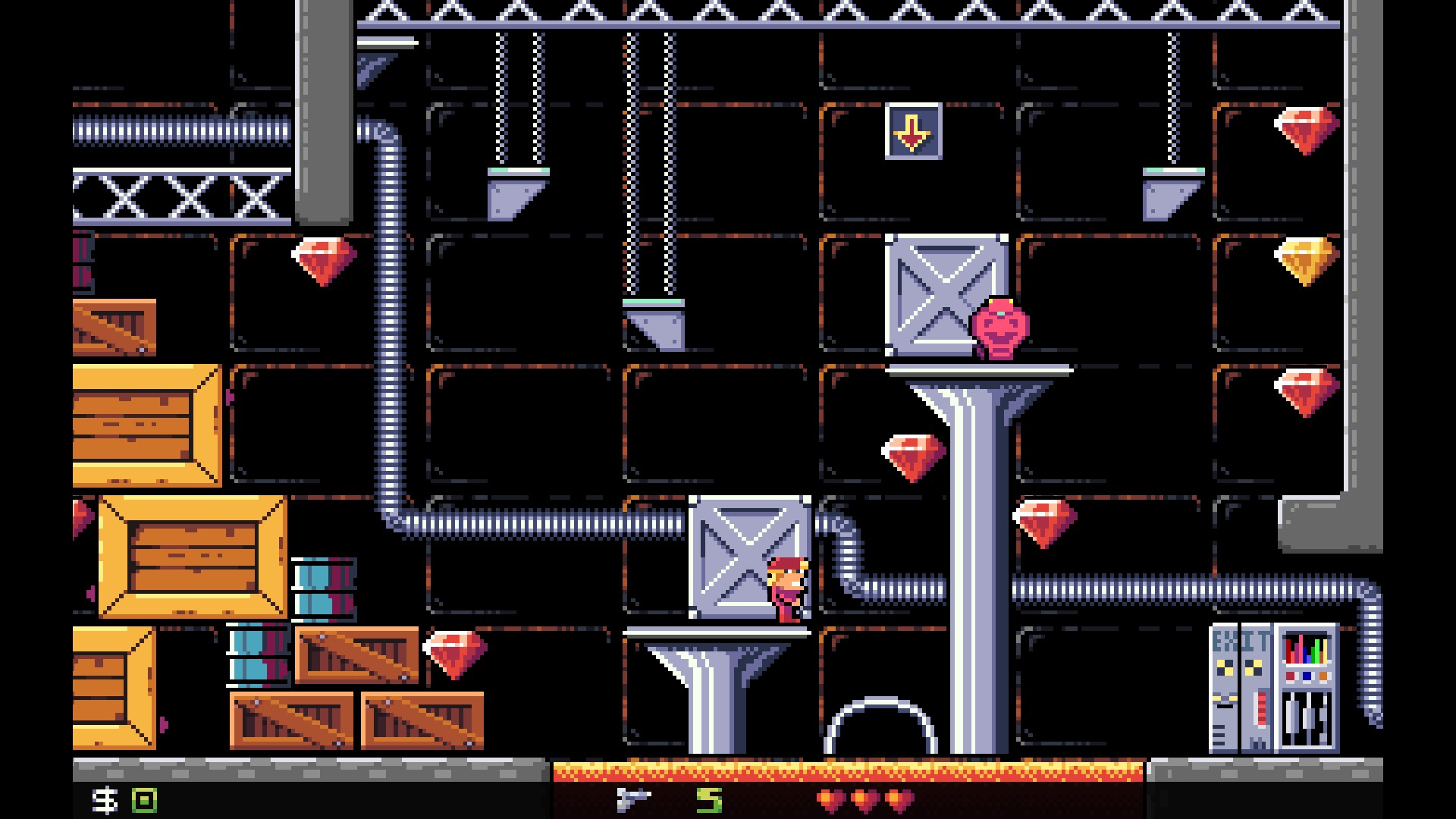
KMC #01 - I. Kraftory
this is a section for everything else i do, that doesn't fit in the other categories of doin thangs.